

You must be logged in to download this resource. Register now if you don't have an account.
Abstract:
In the age of WIOA, Language Arts classroom is a place where reading, writing, test preparation, technology skills and career awareness peacefully coexist on a solid foundation of the Illinois Content Standards. This presentation focuses on providing creative strategies for seamless incorporation of career awareness in reading, writing, speaking and listening activities, as well as research projects and group assignments.
You must be logged in to download this resource. Register now if you don't have an account.
Abstract:
This presentation will provide and audience with Iowa's approach to implementing alternative pathway options for completion of the HSED.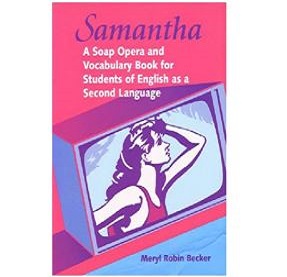
You must be logged in to download this resource. Register now if you don't have an account.
Abstract:
Need exciting material that will make learners look forward to reading? Samantha is a romantic soap opera that is high interest, develops vocabulary, and stimulates discussion on moral, social, and cross cultural issues. Participants will review a chapter and discuss how to use this material in the classroom. http://www.amazon.com/dp/198167604X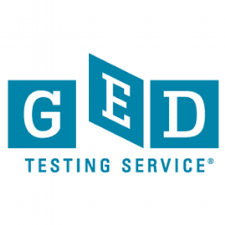
You must be logged in to download this resource. Register now if you don't have an account.
Abstract:
Reasoning through Language Arts
You must be logged in to download this resource. Register now if you don't have an account.
Abstract:
I-DEA (Integrated Digital English Acceleration), funded initially by the Bill and Melinda Gates Foundation, is in its sixth year of implementation in Washington State. The I-DEA curriculum includes thirty-one, openly licensed, one-week flipped instructional modules geared towards lower-level English language learners. Participants will learn about the openly licensed I-DEA curriculum, eLearning tools, and instructional design, as well as view the curriculum from the student and instructor perspectives.
You must be logged in to download this resource. Register now if you don't have an account.
Abstract:
I-DEA is a flipped/hybrid integrated skills curriculum for lower-level adult English language learners (ELLs). Participants will work in the Canvas learning management system to learn about the design of this free, openly licensed curriculum. In addition to locating the curricular modules and importing these OER materials, participants will interact with both student and instructional materials in order to see how the curriculum can best be implemented and integrated into their own unique instructional settings and courses
You must be logged in to download this resource. Register now if you don't have an account.
Abstract:
The Iowa Department of Education presented at the 2019 COABE Conference on their collaboration with Iowa’s 15 community colleges to build, connect, and empower employer-led, community-based sector partnerships to combat a shortage of skilled labor through a wide variety of talent attraction, retention, and development initiatives. The discussion centered on newly developed statewide materials, strategies, and initiatives which continue to support the development and growth of collaborative sector partnerships in Iowa, including a series of educational toolkits, community of practice initiatives, and statewide career pathway development strategies for critical industries like health science, advanced manufacturing, IT, and energy. Many of these resources, strategies, and general ideas can be easily and quickly replicated in other communities across the US. Visit SectorPartnerships.EducateIowa.gov to learn more and download many of the highlighted materials and additional resouces!
You must be logged in to download this resource. Register now if you don't have an account.
Abstract:
Includes the presentation PowerPoint, Teacher Plan, and student handout.