
- IET tells us how adult education integrates with career pathways.
- Integrated Basic Education and Skills Training or I-BEST is the most well-known and research-verified model for how IET can be implemented as a collaboration between workforce education and adult education.
- I-BEST meets criteria for both IET and Career Pathway definitions.

You must be logged in to download this resource. Register now if you don't have an account.
Abstract:
If you have ever worked with an I-BEST (Integrated Basic Education Skills Training) program, you will know that I-BEST students fast track through both GED® testing and skills training through this nationally recognized instructional model. I-BEST students are quicker than their traditionally enrolled contemporaries to improve their basic skills in reading, writing, and math, complete their GED exam, and arrive at a career entry point. The downside to I-BEST is that it’s expensive. Heather has taught 4 I-BEST programs and has come to realize that there are ways to replicate components of I-BEST at very low or no additional cost to your program. This webinar will look at how, by making a few simple changes, we can help our traditionally enrolled students also get the best that our programs can offer.
You must be logged in to download this resource. Register now if you don't have an account.
Abstract:
You must be logged in to download this resource. Register now if you don't have an account.
Abstract:
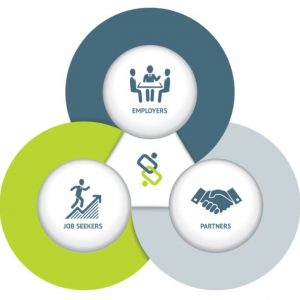
Pennsylvania is faced with the same challenges as other states across the country; many employers cannot find skilled workers to hire, and numerous job seekers have barriers to getting back into the labor force. This webinar will explore some data about the skills gap that Pennsylvania faces, especially with the challenges of helping to educate and upskill those with barriers to employment (such as low literacy levels or inconsistent work history). It will also outline a couple of solutions that adult educators and workforce development boards can invest in (such as integrated education and training) that will help bridge this skill gap and help our communities grow and will provide best practices that can be used across the nation.
You must be logged in to download this resource. Register now if you don't have an account.
Abstract:
This presentation explains: What is an IET? What are your responsibilities in implementing IET’s? What can you do right now in your classrooms?
You must be logged in to download this resource. Register now if you don't have an account.
Abstract:
Help wanted: Production workers needed for this session! Join us for this interactive session and learn first-hand how assembly lines work and explore ways to improve production. See resources we have used to build ELA, Math, and Employability Skills instruction for the Integrated Education & Training (IET) part of our pathway. Gain access to a digital LiveBinder of session content and resources. Bring your own device for an enhanced experience.
You must be logged in to download this resource. Register now if you don't have an account.
Abstract:
The Adult Basic Education for College & Career (ABECC) program at Pima Community College in Tucson, Arizona, has been developing successful Integrated Basic Education and Skills Training (IBEST) programs as an IET instructional model since 2013. This session will explore how students and instructors who have participated in IBEST programs experience this collaborative model. Hear from students about what aspects of this integrated approach they identify as having been the most critical to improving their academic performance. Learn from IBEST instructors how they approach co-planning lessons and assignments and co-teaching in the classroom.
You must be logged in to download this resource. Register now if you don't have an account.
Abstract:
Approximately one-third of the U.S. workforce works in service-sector industries such as restaurants and hotels, and the number of employees in these industries is on the rise. In this session, presenters will share results from an analysis of the most recent PIAAC data (2012/14), examining and comparing demographic profiles and characteristics of service-sector workers by their literacy skill levels. In addition, participants will learn how to best support service-sector workers in their upskilling efforts and hear examples of such support from a leading policy expert of adult education and upskilling. Lastly, participants will engage in a group discussion about how these research findings can help adult learners.
You must be logged in to download this resource. Register now if you don't have an account.
Abstract:
Want to discover the secret to true contextualization? Join us to learn how reshaping your perspective for serving adults facilitates collaboration and helps students reach their goal to achieve a desired certification.