
You must be logged in to download this resource. Register now if you don't have an account.
Abstract:
Focus and memory are essential life and work skills. Teaching our students to improve their focus and increase their memory capacity could be the most important topic we teach! Learn what the research on memory says, how we can use research to inform instruction, and have fun learning to remember! Classroom ideas and resources will be shared. Unmask your potential AND the potential of your students.
You must be logged in to download this resource. Register now if you don't have an account.
Abstract:
Visually organizing ideas and information can assist all of our learners, especially those with learning difficulties, to gain deeper understanding, retain information, to generalize to new topics and make life and job/career applications. Gather new models, learn fun approaches for implementation, and broaden your graphic organizer horizons.
You must be logged in to download this resource. Register now if you don't have an account.
Abstract:
Do you have a pressing issue that you wish researchers would investigate? Do you wish researchers would publicize their findings in language that everyone can understand? If so, you may be interested in learning about federally funded partnerships between practitioners and researchers. This session will provide examples of practitioners and researchers working together to address key issues in adult basic education and literacy. Practitioners and researchers often have similar questions about adult basic education services, yet they often do not have an opportunity to collaborate as equal partners in exploring these questions. Panelists in this session will explain how practitioners and researchers can work together to address relevant issues in our field. Audience members will have a chance to share their experiences working in collaborations and discuss ways to address challenges, frustrations, and obstacles that often occur during collaborative endeavors.
You must be logged in to download this resource. Register now if you don't have an account.
Abstract:
In this session participants will learn about metacognitive skills. They will also recognize their importance in educational environments, careers, and daily life. They will understand how developing these skills will support all students, including those with special learning needs. The terms metacognition and metacognitive skills will be discussed as well as the importance of teaching students to develop those skills. Through activities, some techniques and strategies will be shared. In general participants will learn how metacognitive skills support students in all facets of their lives.
You must be logged in to download this resource. Register now if you don't have an account.
Abstract:
Additional Resource to support Growth vs. Fixed Mindsets - https://mindsetonline.com/testyourmindset/step1.php
You must be logged in to download this resource. Register now if you don't have an account.
Abstract:
It is safe to say that at least 30% of the students in correctional education classrooms need special education supports. For those under the age of 22, this is an imperative. Participants in this session will learn about the implications of providing accommodations to those who qualify, and the consequences of not following the provisions of the Individuals with Disabilities Education Act (IDEA).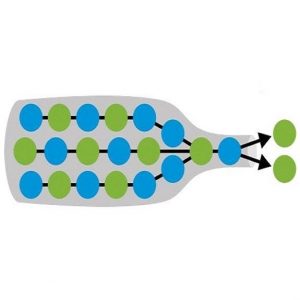
You must be logged in to download this resource. Register now if you don't have an account.
Abstract:
This session will describe a pilot study that asked practitioners to describe the "change points" and the bottlenecks and barriers they have observed students experience when they need to transition from one class or program to another to complete their adult education trajectory. This data will inform a broader study focused on developing effective practices to support students when they encounter these change points so that they will be more likely to continue their adult education trajectory.
You must be logged in to download this resource. Register now if you don't have an account.