
You must be logged in to download this resource. Register now if you don't have an account.
Abstract:
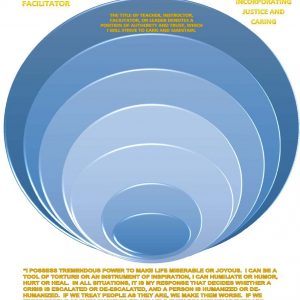
This workshop makes classroom action research practical and accessible. Formative assessment learning techniques combined with the professional development methods of classroom action research and communities of inquiry provide a mechanism for self-sustained continuing professional development at the local level (Creswell, 2012; Kerka, 2003). This workshop emphasizes collaborating and learning with peers about what happens in the classroom to find ways to make learning more effective and efficient. For adult educators, systemic inquiry and intellectual challenge are powerful sources of motivation, growth, and renewal- (Angelo & Cross, 1993, p.10). When students are participants in, as well as are the focus of, an active system of inquiry and intellectual challenge, they also receive the benefits of motivation, growth, and renewal. ATTACHMENTS: COABE Workshop Action Research
You must be logged in to download this resource. Register now if you don't have an account.
Abstract:
Use this teacher guide to introduce Metric Measurement through the use of a mobile lab kit. Learn more about this lesson at the Healthcare Career Pathway Initiative for Low-Literate Adults, Tuesday 9:30 -10:45 ATTACHMENTS: MetricStationsHealthcareConnections 1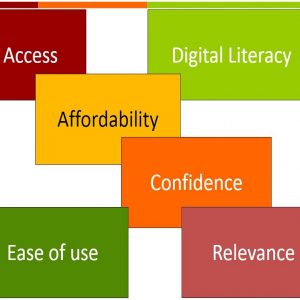
You must be logged in to download this resource. Register now if you don't have an account.
Abstract:
In this workshop, learn how your program and students can take advantage of national developments in digital literacy and access. Presenter will demo helpful resources, websites, and tools to get your teachers, tutors, and students connected.- Bring your own device (BYOD) to get a hands-on experience.
You must be logged in to download this resource. Register now if you don't have an account.
Abstract:
Learn how one program uses BurlingtonEnglish, Schoology, small group Skype meetings, face-to-face workshops, and one-on-one career counseling to support immigrants with a college degree in STEM to get a job in their field within eight months. This is a pilot, and lessons learned will be shared. ATTACHMENTS: New Roots COABE PPT New Roots COABE handoutYou must be logged in to download this resource. Register now if you don't have an account.
Abstract:
From the DREAM Act to the White House Task Force on New Americans, federal immigration policies and programs can have an impact in your classroom-”and not just in ESOL classes. This session will provide a practical overview of recent immigration policy developments and a hands-on analysis of the implications for your learners. Bring your questions!
You must be logged in to download this resource. Register now if you don't have an account.
Abstract:
While all programs focus on supporting adult learners and helping students reach real educational goals, sometimes the needs extend beyond what one organization can do. By really assessing and looking within your community, determining what partnerships should look like for your organization, and looking at research opportunities, adult literacy programs can expand their reach, create impact in their communities through being flexible and innovative, and help to bridge the gap between research and practical implementation of adult literacy programs. ATTACHMENTS: LA Logo Building Partnerships to Explore and Expand_COABE2016 Partnership Checklist
You must be logged in to download this resource. Register now if you don't have an account.
Abstract:
With the changes to the GED ® test for 2014, it is more important than ever for adult learners to have strong technology skills. In this session, we will explore two technology tools-”Google Docs and Schoology-”that ABE teachers can easily integrate into reading and writing lessons for intermediate to advanced learners. Ideally, participants will bring their own electronic devices (i.e. Smartphone, tablet, iPad, laptop) and be actively engaged in experiencing and using these technologies. It is best to use the technology as it is being presented. As a group, we will discuss barriers and obstacles, and ways to overcome them. ATTACHMENTS: Comparison Paragraph Frame COABE 2015 TurngrenSommers COABE 2015 Resource List Identifying Text StructureOverview 1 identifying text structure 11 Using Transitions Chart Transitions Squares 1 Sentence Strips 1 MODELING Transitions Lesson 1
You must be logged in to download this resource. Register now if you don't have an account.
Abstract:
Data from the Program for the International Assessment of Adult Competencies (PIAAC) shows that adults in the 86 haYe significantly loZer digital skills than adults in other developed nations and implies that library patrons may struggle to use digital library resources. Multnomah County Library and Portland State University are collaborating on a project to assess community members' digital skills using a valid and reliable test created by the Organization for Economic and Cooperative Development (OECD) known as Education and Skills Online (ESO). This session will explore assessment results. Presenters will discuss the ways the team has adapted the ESO assessment tool to suit the needs of the library and the community and what the team has learned so far about how the PSTRE framework relates to library tasks that a typical adult learner may perform to access education and employment opportunities. ATTACHMENTS: Exploring How Problem Solving in Technology Rich Environments Can Be Used to Design Programming